
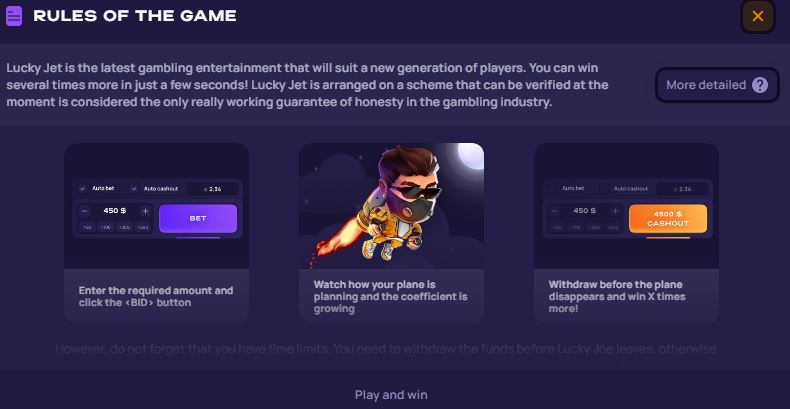
Being aware of what happens to your personal details is a major part of having confidence when you play online. If you’re a Scored Lucky Jet Game participant in Canada, this policy details precisely what gets collected, the purpose of storing it, and for how long. Consider it a simple guide to the protections around your data, from the moment you join.
Lucky Jet adheres to Canada’s strict privacy laws, such as PIPEDA. These rules set forth how personal data ought to be collected, used, and shared. Our policy doesn’t just meet these standards; it seeks to go beyond them, so you can dedicate yourself to playing with confidence about your privacy.
Understanding a Data Retention Policy?
A Data Retention Policy is a company’s in-house rulebook for the period it keeps different types of information before destroying it securely. It strikes a compromise between what the business requires to operate and what the law dictates. For Lucky Jet, this means responsibly managing everything from your player profile to your transaction history.
This policy is not the same as a Privacy Policy. A Privacy Policy tells you what data we obtain and the purposes for it. The retention policy clarifies you the “how long.” It establishes firm deadlines to avoid storing things forever, which reduces privacy risks and keeps us on the right side of the law.

For users in Canada, PIPEDA’s Principle 5 acts as the cornerstone. It says personal information should only be kept as long as required for the purposes it was gathered. Lucky Jet’s entire policy is built on that straightforward, sensible rule, and we define clear time limits for every bit of information we collect.
Categories of Data Collected by Lucky Jet
Lucky Jet obtains several separate types of data to operate, safeguard, and optimize its service. Each type has a specific job, and each comes with its own storage timeline. This approach creates a clear line between the information you provide and the service you obtain.
The main categories are account details, financial records, gameplay logs, and technical data. Each one supports an vital function, like verifying your identity, managing your payments, or stopping fraud. We never collect more than we need for these specific, legitimate purposes.
Personal Identification Information
This is the information that relates directly to you. When you sign up, Lucky Jet collects details like your full name, date of birth, email address, and home address. This lets us create your unique account, confirm you’re of legal age to play, and safeguard your account from unauthorized access.
Sometimes, we need to collect extra verification data, like a copy of your government ID. This is part of our “Know Your Customer” and anti-money laundering responsibilities. It’s a requirement for licensed platforms in Canada, assisting us promote safe play and block fraudulent activity.
Monetary and Transaction Data
To handle your deposits and withdrawals smoothly, Lucky Jet handles financial information with high security. This includes records of your deposit methods, transaction amounts, dates, and your current balance. We don’t store full credit card numbers on our servers; those are handled by certified, external payment processors.
Every transaction creates a secure audit trail. This log is vital for settling any disputes, giving you a clear picture of your financial history, and for our own internal accounting and reports to regulators.
Technological and Usage Data
Some technical data is collected automatically to enhance security and your experience. This encompasses your IP address, device type, operating system, and browser version. It assists us detect suspicious login attempts, which adds a layer of protection for your account.
We also record usage data, like your game session history and the bets you place. We review this in a combined, anonymous way to spot trends, resolve technical glitches, and determine how to make the game itself better for everyone.
Why Lucky Jet Stores User Data
We do not store data on a whim. Every piece of information has a specific shelf life for a specific reason. The main drivers are the law, the everyday needs of running the service, and security. All of this is aligned with Canadian regulations.
Keeping data lets Lucky Jet to deliver a seamless, secure service. It allows our support team examine past questions, aids our security team study fraud patterns over time, and allows our finance team create your tax documents. Defined timeframes prevents data from being erased too early or kept for too long.
Legal and Regulatory Compliance
Gaming platforms in Canada work under rigorous provincial and federal rules. The law requires that we retain certain records, particularly for identity checks and financial dealings, for set periods. These can stretch from a few years to a full decade after you terminate your account.
Financial and “Know Your Customer” records, for instance, must be kept to satisfy the Canada Revenue Agency and authorities like the AGCO in Ontario. This implies Lucky Jet can show we followed the rules if we’re ever inspected.
Security and Fraud Prevention
Maintaining security logs and transaction histories is a key part of our defense system. Analyzing data over time assists us spot patterns of https://en.wikipedia.org/wiki/Category:Online_gambling_companies_of_Australia collusion, money laundering, or account theft. This work safeguards the game’s fairness and secures every legitimate player’s funds.
If a security incident occurs, historical data is the first thing we examine. It shows us how far the breach went, which users were impacted, and how the bad actors entered.
Platform Operation and Improvements
Data is the backbone for our day-to-day operations. Retaining your account preferences and history ensures you get a steady experience each time you log in. It powers features like showing your current balance and your recent game activity.
On a bigger scale, de-identified usage data provides us valuable insights. Our teams can determine which features are popular, pinpoint where players get stuck, and utilize that information to make smart decisions about game performance and quality.
Defined Retention Periods for Data Categories
Lucky Jet implements well-defined, category-specific timelines. We determine these by weighing the intent of the data against the principle of data minimization. When the period runs out, data is either safely anonymized for internal statistics or permanently ibisworld.com destroyed.
You’ll discover the standard periods for key categories presented here. Sometimes these periods get extended. If data is involved an ongoing legal investigation or a user dispute, we keep it until that legal hold is settled. We don’t keep it a day longer than necessary.
- Account Registration Data: Your primary identification details stay on file while your account is active and for five years after you close it. This meets regulatory duties and allows for potential account reactivation.
- Financial Transaction Records: Comprehensive records of deposits, withdrawals, and bonuses are stored for seven years from the transaction date. This complies with Canadian financial and tax regulations.
- KYC Verification Documents: Copies of your ID and proof of address are held for seven years after account closure, in line with anti-money laundering standards.
- Gameplay and Interaction Logs: Logs of your game rounds and bets are typically kept for two to three years. We employ them for customer service, game integrity checks, and settling disputes.
- Customer Support Communications: Records of our chats and emails with you are kept for three years from our last interaction. This helps us provide consistent service.
- Technical and Security Logs: Data like IP addresses and access logs are usually kept for one to two years. We use it for ongoing security monitoring and troubleshooting system issues.
Player Rights and Data Deletion
Canadian users have robust protections under PIPEDA. Lucky Jet recognizes these rights and has straightforward procedures for you to use them. The two most pertinent are your ability to retrieve your data and your right to request its removal.

You can request a copy of all personal information we hold about you. Lucky Jet is obliged to supply this data in a standard format, without charge, and within a fair timeframe. This openness lets you check that everything is correct.
Requesting Data Deletion
If you desire your data removed, you can reach Lucky Jet’s Privacy Officer using the information in our main Privacy Policy. We assess every demand against our regulatory and functional requirements. If no prevailing obligation forces us to retain it, we schedule that data for safe erasure.
Please know that a total deletion request usually means terminating your account for forever. Also, some data cannot be removed right away due to statutory holds. Transaction records less than seven years old, for example, must be maintained for legal adherence even after your account is terminated.
Limitations to Deletion
Lucky Jet has to follow the law. We cannot remove data if we still need it to fulfill a agreement with you, to meet a regulatory obligation, for litigation purposes, or for societal benefit reasons like combating fraud. If we have to reject a deletion request, we’ll give you a clear explanation why.
Information Protection and Destruction Approaches
Your data is safeguarded by robust measures for its whole lifecycle. Lucky Jet uses professional encryption, tight access controls, and frequent security audits. These steps stop unauthorized access, alteration, or destruction of personal information.
When a retention period finally ends, the data is safely destroyed. For electronic data, this means cryptographic erasure that wipes the information, making it impractical to recover. Any physical records we might have are cross-cut shredded by a certified destruction service.
Anonymization as an Alternative
Occasionally, instead of destroying data, Lucky Jet will depersonalize it. This is for information that has extended value for analysis. The process irreversibly strips out all details that could recognize you. What’s left cannot be linked back to any individual.
We may hold this anonymized data permanently. It lets us answer questions like “What’s the average bet size?” without disclosing who placed which bet. This enables improvements to the game while fully protecting player privacy.
Updates to This Retention Policy
Lucky Jet could update this policy from time to time. Changes can reflect shifts in our operations, the law, or technology. Any updates will keep our commitment to user privacy front and center. We shall not apply changes retroactively to your data without your consent, unless the law demands it.
We’ll inform you about important changes through a notice on our website or a direct email. We’ll also update the “Last Updated” date at the top of the policy. It’s a good idea to check back now and then to stay in the loop.
Contact Information for Privacy Concerns
For questions about this policy or our data handling practices, feel free to contact Lucky Jet’s Privacy Officer. You can find their contact details in the platform’s main Privacy Policy. This officer is tasked with ensuring we follow the law and for responding to your concerns.
Canadian players are also entitled to lodge a complaint with the Office of the Privacy Commissioner of Canada if they feel PIPEDA has been violated. Our aim is to resolve any issue with you directly before it escalates.
This Data Retention Policy sets forth a clear plan for the way Lucky Jet manages information for players in Canada. With defined timelines rooted in law and necessity, we ensure transparency. You can play knowing your information is handled responsibly, kept securely, and retained only as necessary, all while being safeguarded by your rights under Canadian privacy law.